
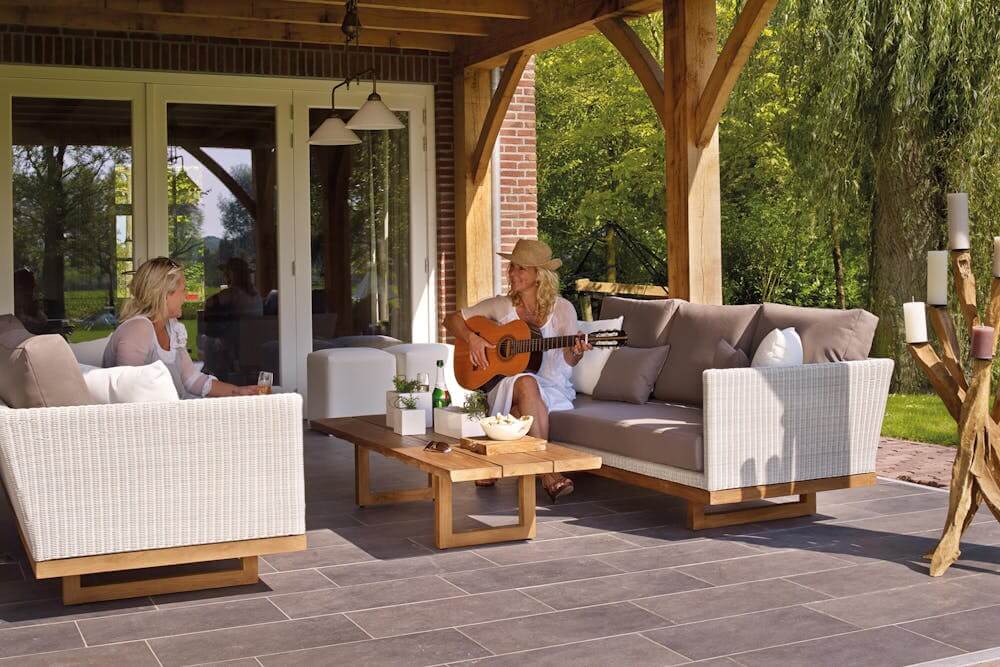
A good outdoor space is not an accident. It’s planned, measured, and built with clear priorities. The best results come from treating your yard like an extension of your home rather than an afterthought. That means defining how you’ll use it, designing around constraints, and installing elements in the right order.
This guide walks you from the first idea to the final touches. It’s practical. It’s also flexible, because every property is different.
Step 1: Define how you want to live outside
Before you sketch anything, decide what “perfect” means for you. Not for Pinterest. For your daily life.
Start with a short list of primary uses:
- Eating outside a few nights a week
- Hosting friends on weekends
- A quiet reading corner
- Space for kids or pets
- A garden, a spa area, or a fire feature
Then rank them. Most yards can’t do everything well, but they can do a few things exceptionally. This ranking keeps you from building a space that looks good but functions poorly.
Also note who will use it and when. A couple who love morning coffee needs different shade and seating than a family doing evening dinners. These small details change the design.
Step 2: Assess your site with fresh eyes
Walk your yard and collect facts. Guessing here costs money later.
Focus on:
- Sun and shade patterns (morning vs. afternoon)
- Wind exposure
- Drainage issues after a rain
- Existing trees and roots
- Views you want to highlight or hide
- Door locations and how people naturally move outdoors
Take measurements. Note slopes. Photograph from multiple angles. If you can’t clearly explain what the yard looks like on paper, you’re not ready to build.
This is also when you check your local requirements. Many outdoor projects trigger permits, setbacks, HOA rules, or utility clearances. If you’re adding a deck, a roofed structure, or major electrical work, confirm what’s required before you lock in a plan.
Step 3: Set a realistic budget and timeline
Budgets are not just numbers. They’re boundaries that make decisions easier.
Break spending into categories:
- Hardscape (patios, decking, retaining walls)
- Structures (pergolas, fences, outdoor kitchens)
- Utilities (lighting, gas, water, drainage)
- Landscaping (plants, soil, irrigation)
- Furnishings (seating, dining, shade)
- Contingency (10–20% for surprises)
A tight budget isn’t a problem. A vague budget is.
Be honest about the timeline, too. If you want it ready for summer gatherings, plan backwards. Materials lead times, contractor schedules, and weather delays all matter. If you rush early choices, you’ll pay for it in rework.
Step 4: Design the layout: zones, flow, and scale
A great outdoor space usually has “rooms.” Not walls, but zones that feel distinct.
Common zones include:
- Dining zone near the kitchen door
- Lounge zone for conversation
- Cooking zone (grill or full kitchen)
- Play zone or open lawn
- Garden zone
Plan the flow between them. People should move comfortably without squeezing past chairs or stepping through plants. Pathways should be intuitive. If movement feels awkward on paper, it will feel worse in person.
Next is scale. Oversized furniture on a small patio looks cramped. A tiny seating set in a large yard looks lost. Use painter’s tape or lawn markers to outline major elements. It’s a fast way to spot proportion issues before you build.
Step 5: Choose your foundation: patio, deck, or a mix
This choice determines the look, cost, and longevity of your project.
Patios work well on flatter sites and feel grounded. They’re durable and typically lower maintenance. Materials range from poured concrete to pavers to natural stone.
Decks shine on sloped yards or where you want an elevated view. They also create a clean connection from the indoor floor level to the yard. The tradeoff is maintenance and structural complexity, especially with railings, stairs, and footings.
Many homes benefit from a mix. For example, a deck for dining and grilling near the house, and a paver patio lower in the yard for a fire pit.
In the middle of planning this step, it often helps to talk with deck builders who can confirm what’s structurally practical, what will pass inspection, and how material choices affect long-term upkeep.
One more practical note: if you’re selecting outdoor lighting for safety and usability, the U.S. Department of Energy offers clear guidance on efficient fixtures and brightness considerations that can help you avoid over-lighting or wasting power.
Step 6: Select materials that match your climate and habits
Outdoor materials aren’t judged by how they look on day one. They’re judged after three years of weather and use.
When evaluating materials, consider:
- Freeze-thaw cycles (pavers vs. poorly installed stone can shift)
- Humidity and rot risk (wood choices matter)
- UV exposure (some composites and fabrics fade faster)
- Slip resistance (especially near pools or rainy climates)
- Heat retention (dark surfaces get hot underfoot)
Also consider your tolerance for maintenance. If you love the look of natural wood but will not stain it regularly, pick a different option. There’s no shame in choosing low-maintenance. It’s often the smartest move.
Step 7: Plan utilities early: lighting, power, and water
Utilities should be designed before installation, not patched in after.
Think through:
- Task lighting for cooking and dining
- Path lighting for safe walking
- Outlet locations (holiday lights, speakers, tools)
- Water access (hose bibs, irrigation, outdoor sink)
- Gas line needs (fire pit or built-in grill)
- Drainage solutions (downspouts, French drains, grading)
Even if you don’t install everything now, you can rough-in lines for future upgrades. That’s far cheaper than tearing up finished surfaces later.
Step 8: Build in the right sequence
Outdoor construction has an order for a reason.
A typical sequence looks like this:
- Demolition and site clearing
- Grading and drainage corrections
- Footings and structural work (deck frames, retaining walls)
- Hardscape installation (patio, paths, steps)
- Utility installation (electrical, gas, irrigation)
- Structures (pergola, fencing, kitchen)
- Soil prep and landscaping
- Lighting fixtures, furniture, and finishing details
If a contractor offers to plant first and pour later, pause. You may be paying twice for disturbed soil and damaged plantings.
Step 9: Finish with comfort: shade, privacy, and furnishing
This is where “usable” becomes “inviting.”
Shade can come from umbrellas, pergolas, shade sails, or trees. Choose based on wind and how permanent you want the solution to be. Privacy can be landscaping, fencing, screens, or a smart layout that angles seating away from sightlines.
Then furnish with intention. Avoid buying everything at once. Start with core pieces:
- A stable dining set or lounge set
- One high-quality shade element
- A clear storage plan (deck box, shed, built-ins)
Add soft goods last: pillows, rugs, throws. They elevate the space quickly, but they also weather quickly. Better to buy them when the layout is final and you know what you actually use.
Step 10: Maintain it so it stays “perfect”
A perfect outdoor space stays that way through simple routines. Use a seasonal checklist:
- Sweep and rinse surfaces regularly
- Clean grills and check gas connections
- Inspect deck boards, fasteners, and railings
- Trim plants away from structures for airflow
- Refresh mulch and address bare soil
- Test lighting and replace bulbs as needed
Small maintenance prevents big repairs. It also keeps the space enjoyable, which is the whole point.
Final thought
Designing and constructing a great outdoor space isn’t about copying a trend. It’s about matching your yard to your life, then building with durable choices and smart sequencing. Plan carefully. Install deliberately. Finish with comfort. The result will look good, feel good, and hold up year after year.
